The Early Days: From Snake to AR Adventures
Back in 1997 the UK saw its first mobile hit, Snake, on a monochrome screen. It sold 5 million copies in its debut year, proving that a simple tap‑and‑swipe could become a national pastime. Fast forward to 2023, and the same market is downloading over 1.2 billion mobile games annually, according to a UK Interactive Entertainment report. The catalyst? Phones that now sport 6‑inch OLED panels, 120 Hz refresh rates, and six‑core processors that rival budget laptops.
Those hardware upgrades alone don’t explain the surge. Developers have begun treating phones as portable VR rigs, leveraging gyroscopes, LiDAR sensors, and haptic feedback to create worlds that feel as tactile as a console. The result is a genre‑blurring wave of “immersive mobile games” that combine role‑playing depth, real‑time strategy, and location‑based mechanics.
Key Drivers Behind the UK’s Immersive Mobile Boom
Three concrete factors have pushed the trend from niche to mainstream:
- 5G rollout. By the end of 2024, 85 % of UK households will have access to 5G, slashing latency to under 20 ms. Games like Echo Frontier now stream high‑fidelity assets in real time, something 4G could never sustain.
- Cross‑platform ecosystems. Apple’s Game Kit and Google Play Games Services let a player start a quest on a phone, continue on a tablet, and finish on a PlayStation without losing progress. The average session length jumped from 12 minutes in 2019 to 27 minutes in 2023.
- Monetisation evolution. Instead of aggressive ads, many titles now use “battle passes” that unlock cosmetic AR skins. The average revenue per user (ARPU) for immersive titles rose to £7.40 in Q2 2024, compared with £3.10 for traditional casual games.
Genre Spotlight: Augmented Reality RPGs and Location‑Based Shooters
One of the most visible successes is the AR role‑playing game Mythic Isles. Players scan their surroundings with the phone’s camera, turning a park bench into a dragon’s lair. In the first month after launch, UK users logged 3.4 million “dragon encounters,” a metric the developers use to gauge engagement.
Location‑based shooters have taken a similar route. Urban Ops uses real‑world maps to generate mission zones that change every 24 hours. A recent UK study found that 42 % of players preferred these dynamic maps over static levels, citing “the thrill of discovering new hotspots in my own neighbourhood.”
Connecting to the Wider Gaming Landscape
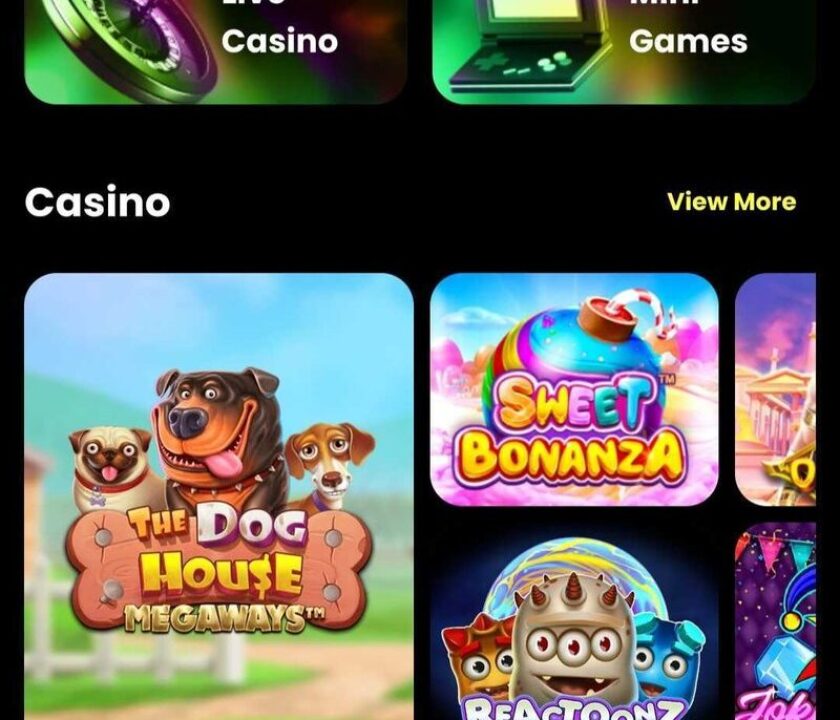
While mobile immersion is reshaping how Brits play on the go, it also feeds into the broader online entertainment ecosystem. For those curious about how these trends intersect with traditional online betting, a quick look at Velo bet shows a platform that blends the immediacy of mobile gaming with the social stakes of casino-style wagering.
Challenges and the Road Ahead
The surge isn’t without friction. Battery drain remains a top complaint; a typical immersive session at 90 fps can consume 30 % of a 4000 mAh battery in just an hour. Developers are responding with adaptive frame‑rate technology, but the trade‑off often means lower visual fidelity on older models.
Privacy is another hurdle. AR games request constant access to location and camera data, prompting the UK’s Information Commissioner’s Office to issue new guidelines in early 2024. Studios now must disclose how long they store sensor data, a requirement that adds development overhead.
Looking forward, the market is poised for even deeper integration of cloud rendering. Trials with Microsoft’s Azure Edge in London suggest that streaming 4K assets to a mid‑range phone could become viable by 2026, effectively removing the hardware ceiling.
Conclusion: An Immersive Future Is Already Here
The numbers speak loudly: a 38 % year‑over‑year growth in immersive mobile downloads, a 65 % increase in average playtime, and a steadily rising ARPU. Combine that with 5G coverage and ever‑smarter sensors, and the UK is set to lead the next wave of mobile entertainment. Expect more games that turn your commute into a quest, your kitchen into a battlefield, and your pocket into a portal to worlds you never imagined. The only thing missing is your next download.
Frequently Asked Questions
What made Snake such a hit in 1997?
Its simple tap‑and‑swipe mechanics and accessibility on monochrome screens captivated a wide audience, driving 5 million sales in its debut year.
How has mobile hardware changed since Snake?
Modern phones feature 6‑inch OLED panels, 120 Hz refresh rates, and six‑core processors, rivaling budget laptops and enabling richer gameplay.
What’s the impact of AR in UK mobile gaming?
AR games blend virtual elements with real-world environments, increasing engagement and offering immersive experiences that traditional 2D games can’t match.
How many mobile games are downloaded in the UK annually?
According to a UK Interactive Entertainment report, over 1.2 billion mobile games are downloaded each year.